60%
fewer incidents and near misses
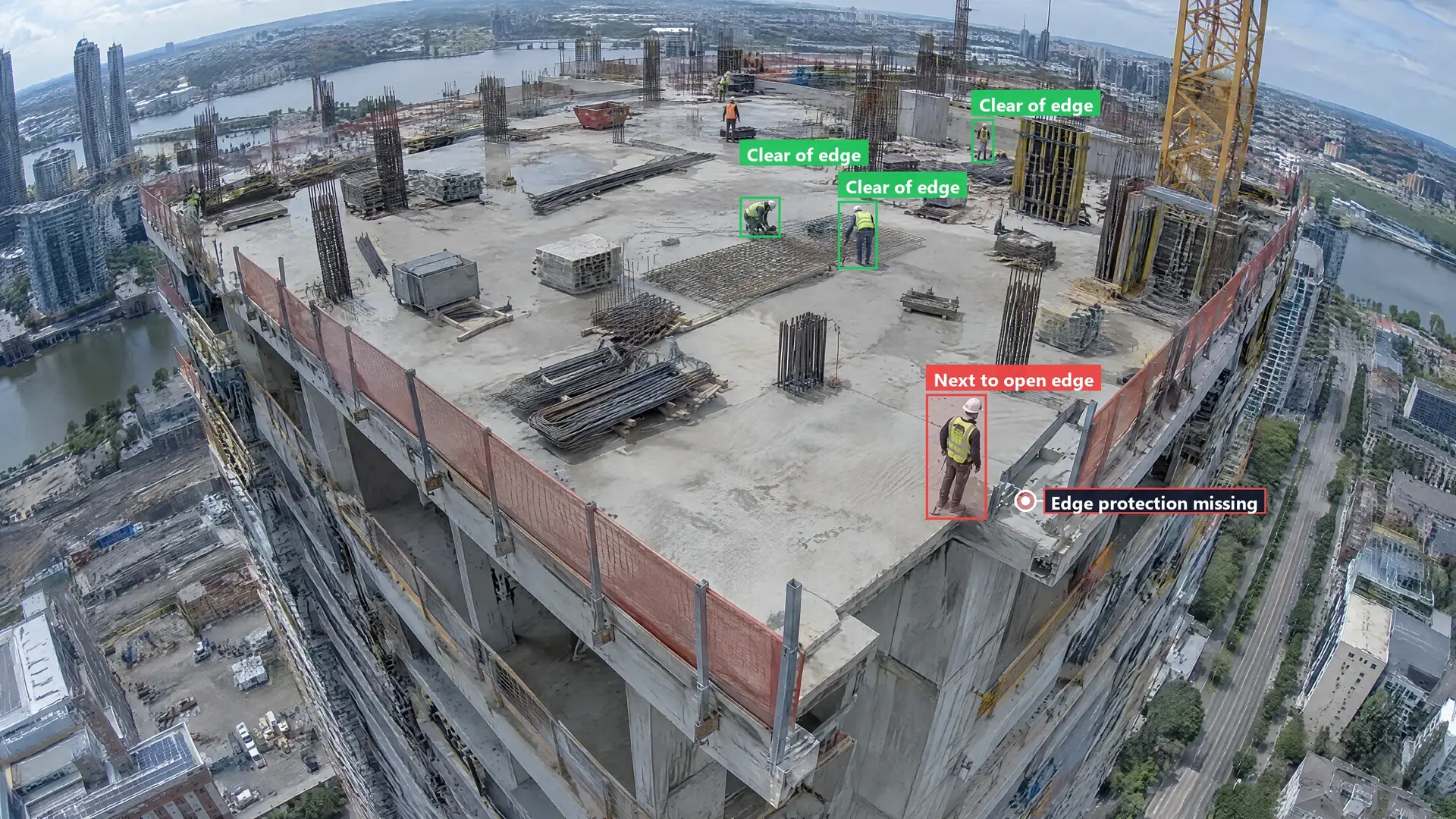
HDB public housing project delivered by Teambuild, Singapore. 30 existing cameras, measured before and after over six months, with 8× more safety observations than manual reporting. Read the Teambuild case study
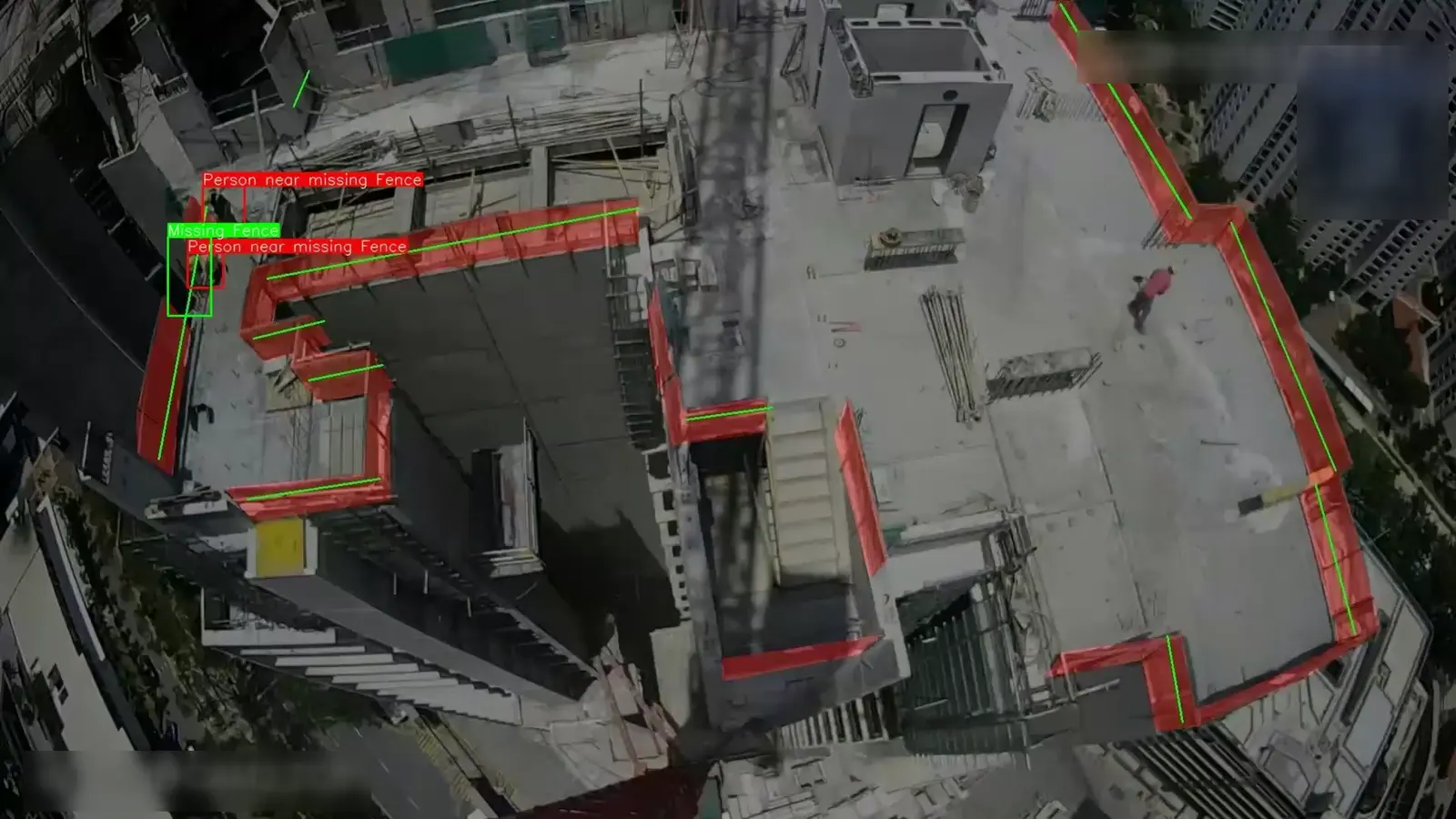
Fewer incidents from the cameras you already run. Invigilo spots 40+ safety risks, alerts the right person in about a second and follows each hazard until it is fixed.
60% fewer incidents and near misses on a Teambuild HDB project, measured on 30 existing cameras.
Construction








Near misses only get investigated after someone gets hurt. Invigilo makes every near miss visible, so your team fixes it before the next worker gets hurt.
60%
fewer incidents and near misses
HDB public housing project delivered by Teambuild, Singapore. 30 existing cameras, measured before and after over six months, with 8× more safety observations than manual reporting. Read the Teambuild case study
80%
fewer incidents at a global logistics operator
With 30% faster response, on forklift and warehouse-floor risks. Read the logistics case study
“Artificial intelligence will be more common in the construction space, and Invigilo's offerings have helped improve the overall safety and performance of our projects.”
Red zones, work at height, lifting, plant and PPE. Each alert reaches the right person on Teams, email or WhatsApp in about a second, with the frame attached.
95%of real hazards caught
80 to 90%of alerts are real hazards
Measured on live sites. Tuned per site and per risk type.
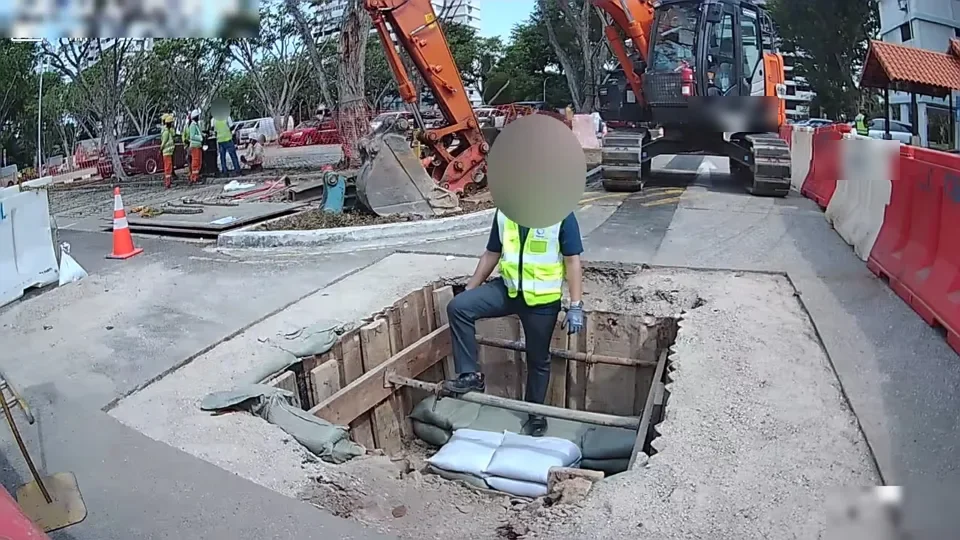
Trench is shored. The worker in it has a hard hat and a vest. The barrier is up on two sides only.
Finding, medium
Detection says what is in the frame. Understanding says whether the work is safe. Our own safety vision language model, trained on five years of critical risk data, reads the context: where the load is, who is inside the lift zone and what the crew is doing.
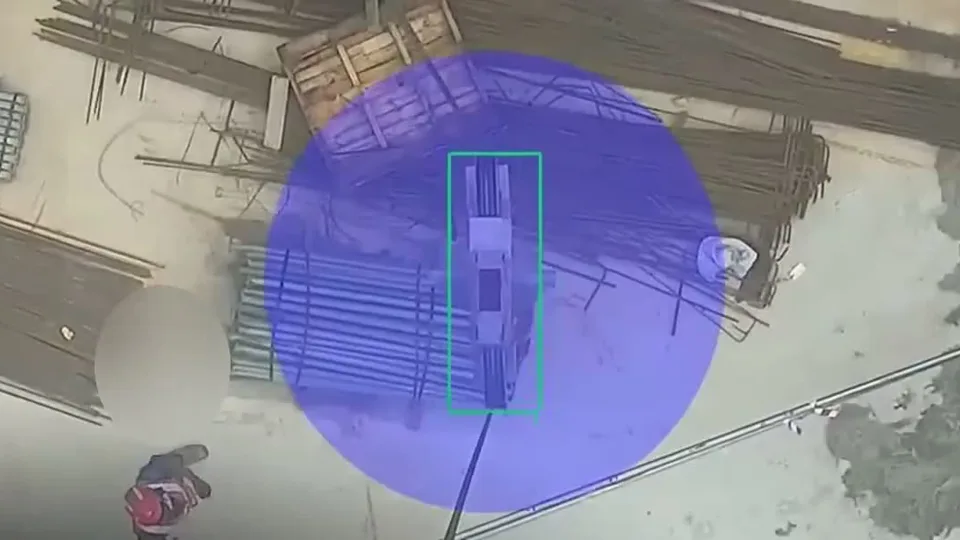
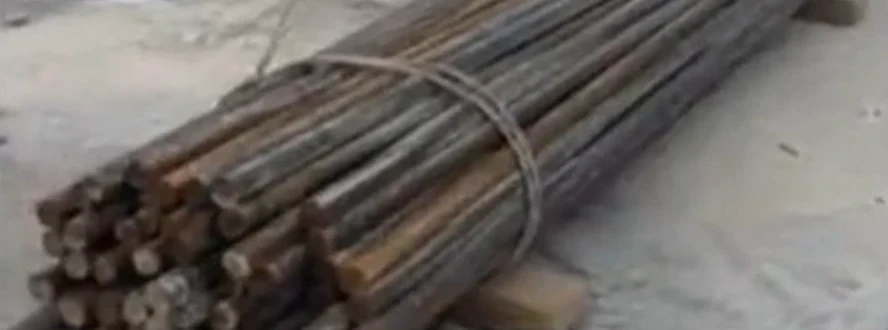
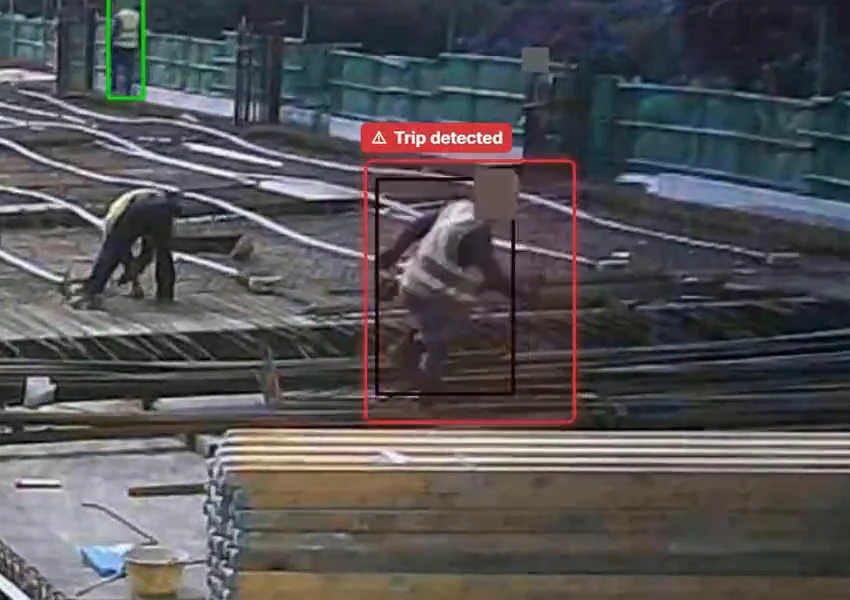
A crane is lowering a load into the rebar yard and the lift zone is marked around it. One worker is inside the zone at the rebar stack. A second is walking towards its edge.
Open items escalate on their own. The fix is confirmed with an after photo and checked again on the same camera before the case closes.
EscalationOpen past its deadline, a case goes to the next person in the chain with the frame attached.
Findings, near misses and close-out times on one dashboard, by zone and by week. See where risk is rising and act on it, with the photos and notes behind every number.
Housekeeping findings on Block C have risen three weeks in a row. Suggested focus for Monday's toolbox talk.
Trends by zone, crew and activity become a forecast of where risk rises next. The forecast turns into Monday's toolbox talk, built from the site's own footage, with SOPs and JSAs per zone and crew.
Risk forecast, week 45
Last 6 weeksForecast
Toolbox talk, week 44
Last week on camera
Change 1
Change 2
DoWait at the barrier until the banksman clears the load
Do notCut through the rebar yard while the crane is lifting
OwnerLifting supervisor. Banksman holds the line until the load lands.
Sign-off
3 crew still to sign. Their supervisor is reminded at 09:00.
Product screens shown with example data.
pSIF: potential serious injury or fatality. Example timings from a recorded incident.
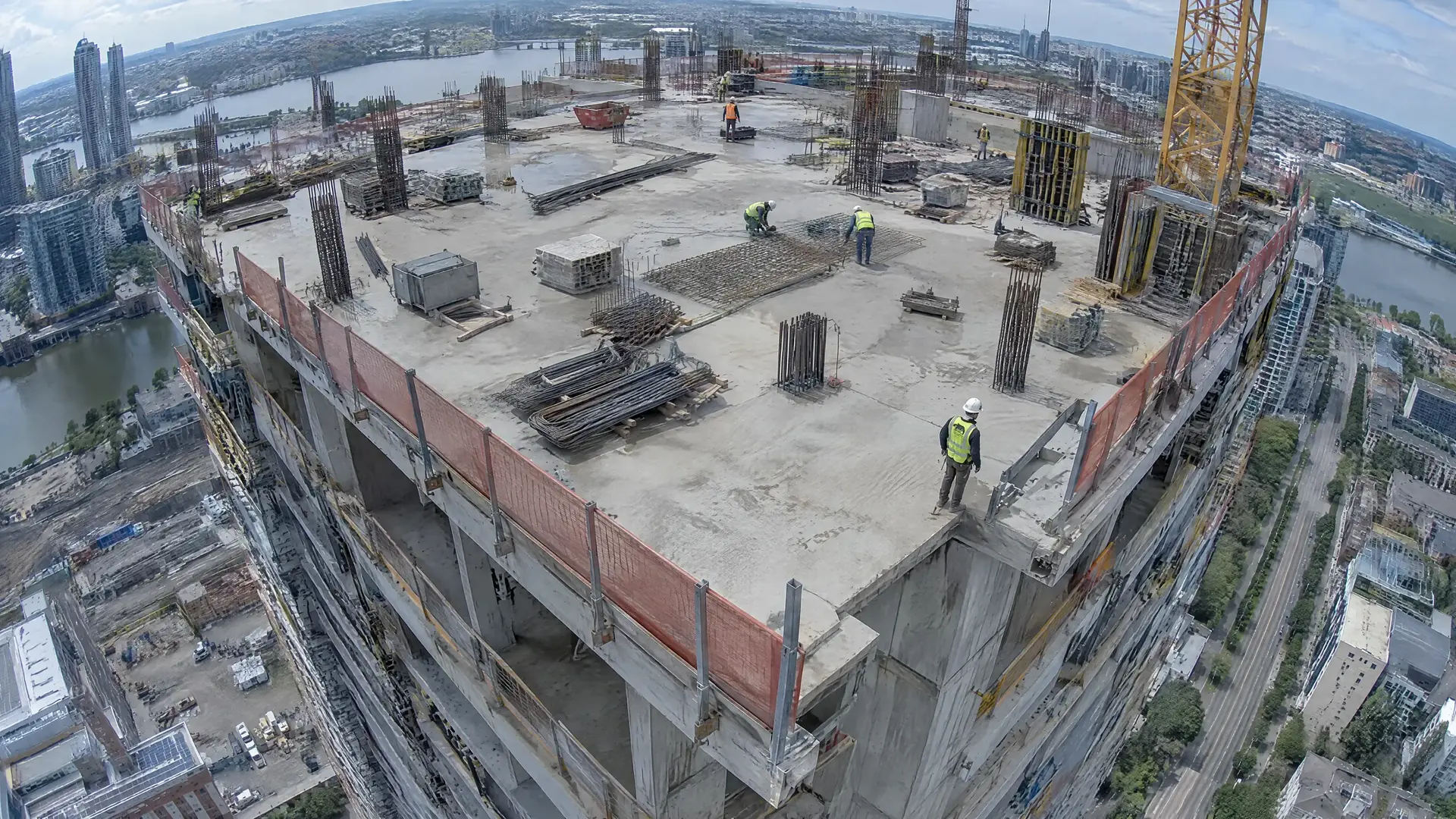
 Camera viewInvigilo read
AI safety officer read
Illustrative scenes, not client footage.
Illustrated
Reasoning Tower crane camera
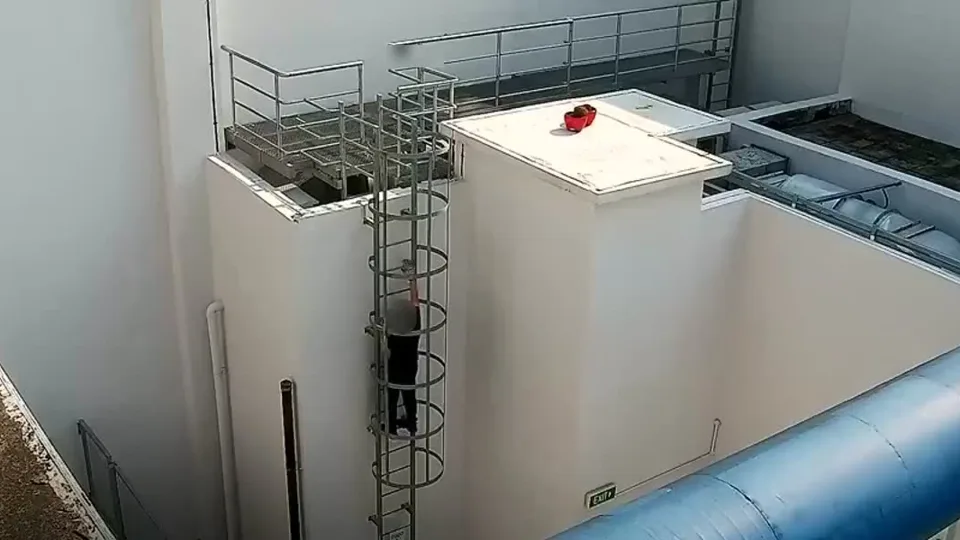
The first scene is a frame from a tower crane camera, with faces blurred. The other three are illustrated to show what Invigilo checks before it decides whether anyone needs an alert.
Try it on your own footagePeriodic site walk-arounds and hazards reported by the workforce.
Continuous monitoring across all connected cameras, on every shift.
CCTV footage reviewed only after an incident.
Alerts raised only for hazards that require action. Compliant activity is recorded for reference.
Findings tracked across messaging groups and paper forms.
Each finding is assigned an owner and a due date, and closed out with photo evidence.
Monthly reports compiled manually.
Automated weekly reports by zone and hazard type.
Briefing topics drawn from standard templates.
Briefings based on site observations from the past week.
Risk reviewed after an incident or a near miss.
Forecasts of where risk is rising, with written reports and recommendations to prevent the next accident.
First alerts within 48 hours on the RTSP or ONVIF cameras you already have.
Invigilo's computer vision platform connects to the video an industrial site already has: fixed CCTV, PTZ, drones, body cams, crane and vehicle cameras, or any RTSP or ONVIF stream. Nothing to rip out, and the same site rules apply to every feed.
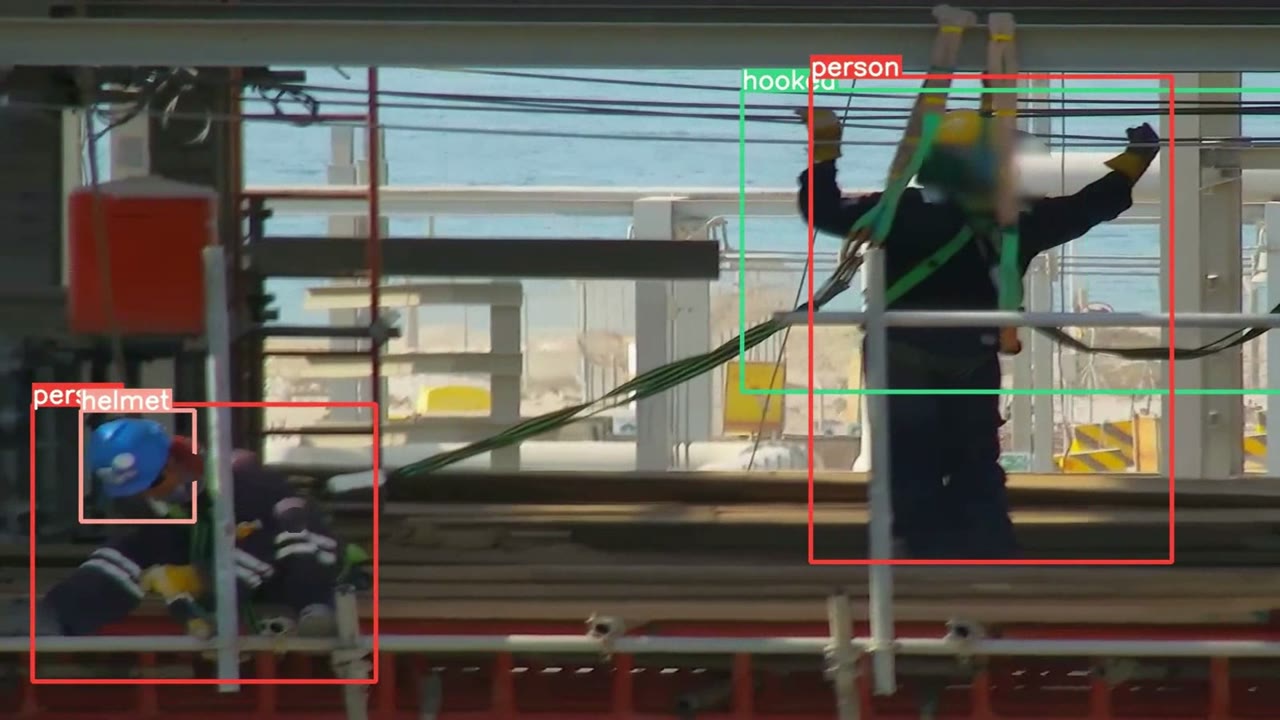
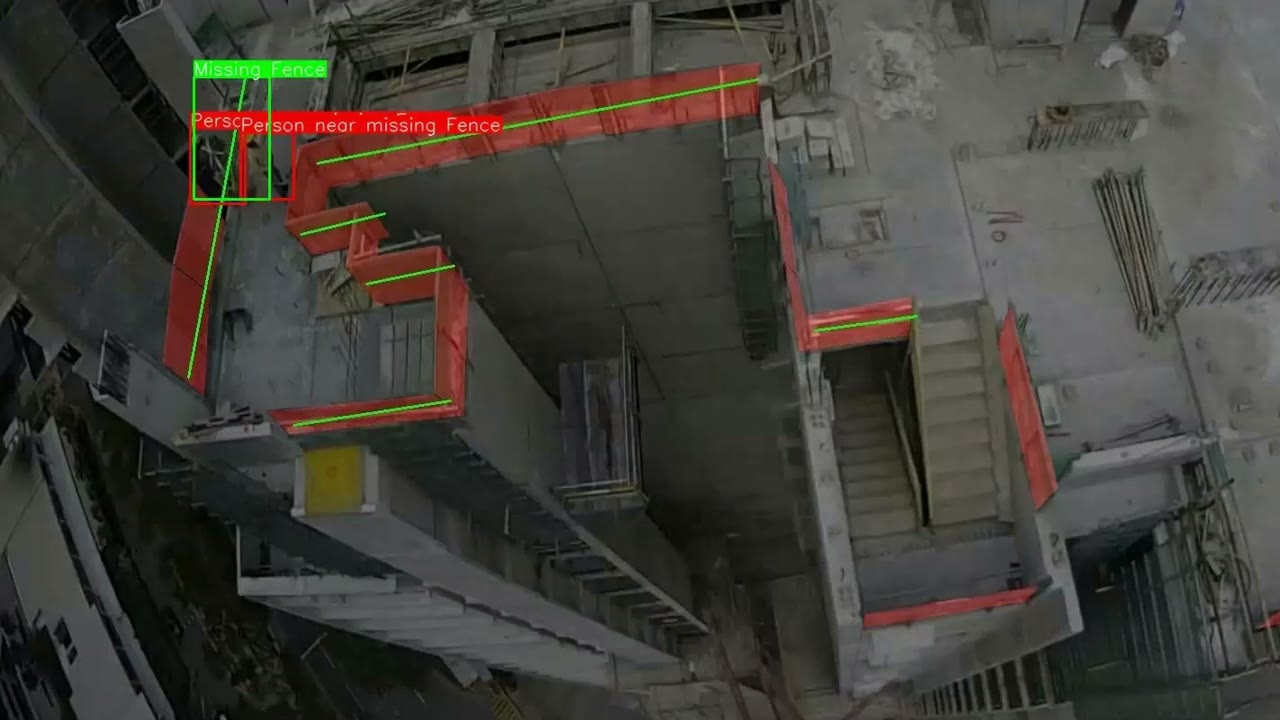
Open edges, crane zones and work at height, with crews that change every week.
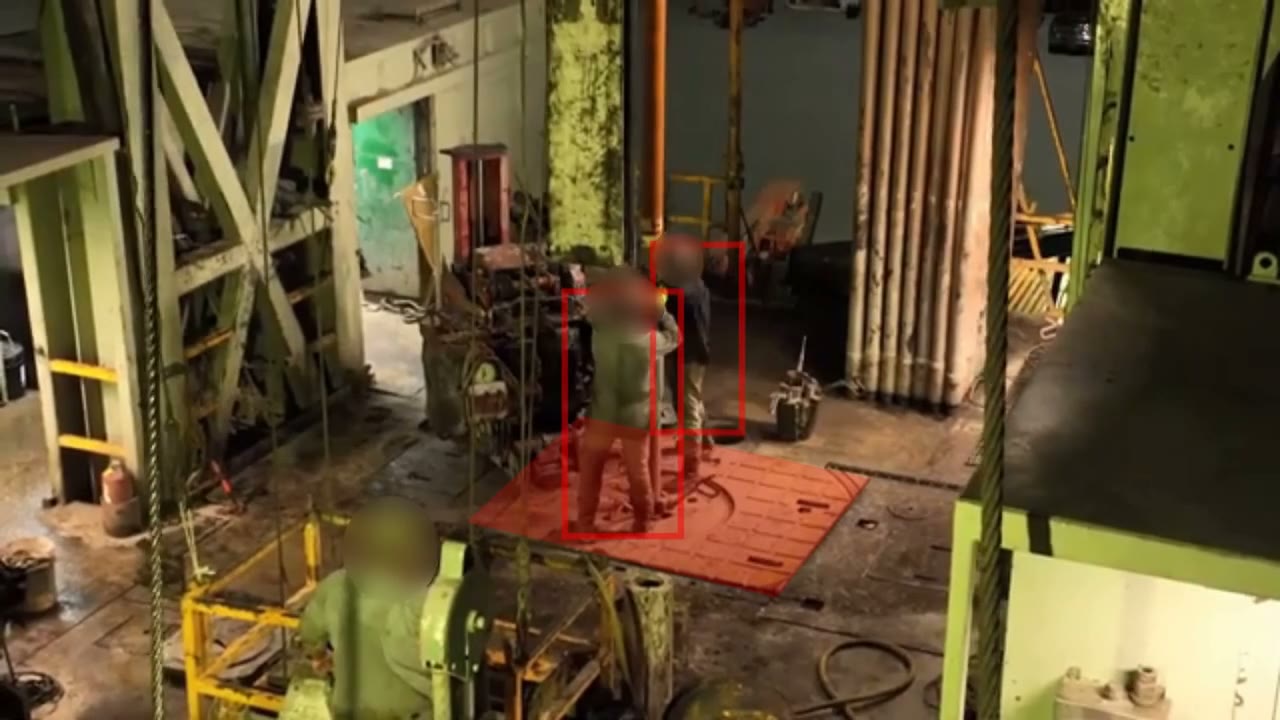
Red zones on drill floors, rigs and yards, with on-site processing for remote locations.
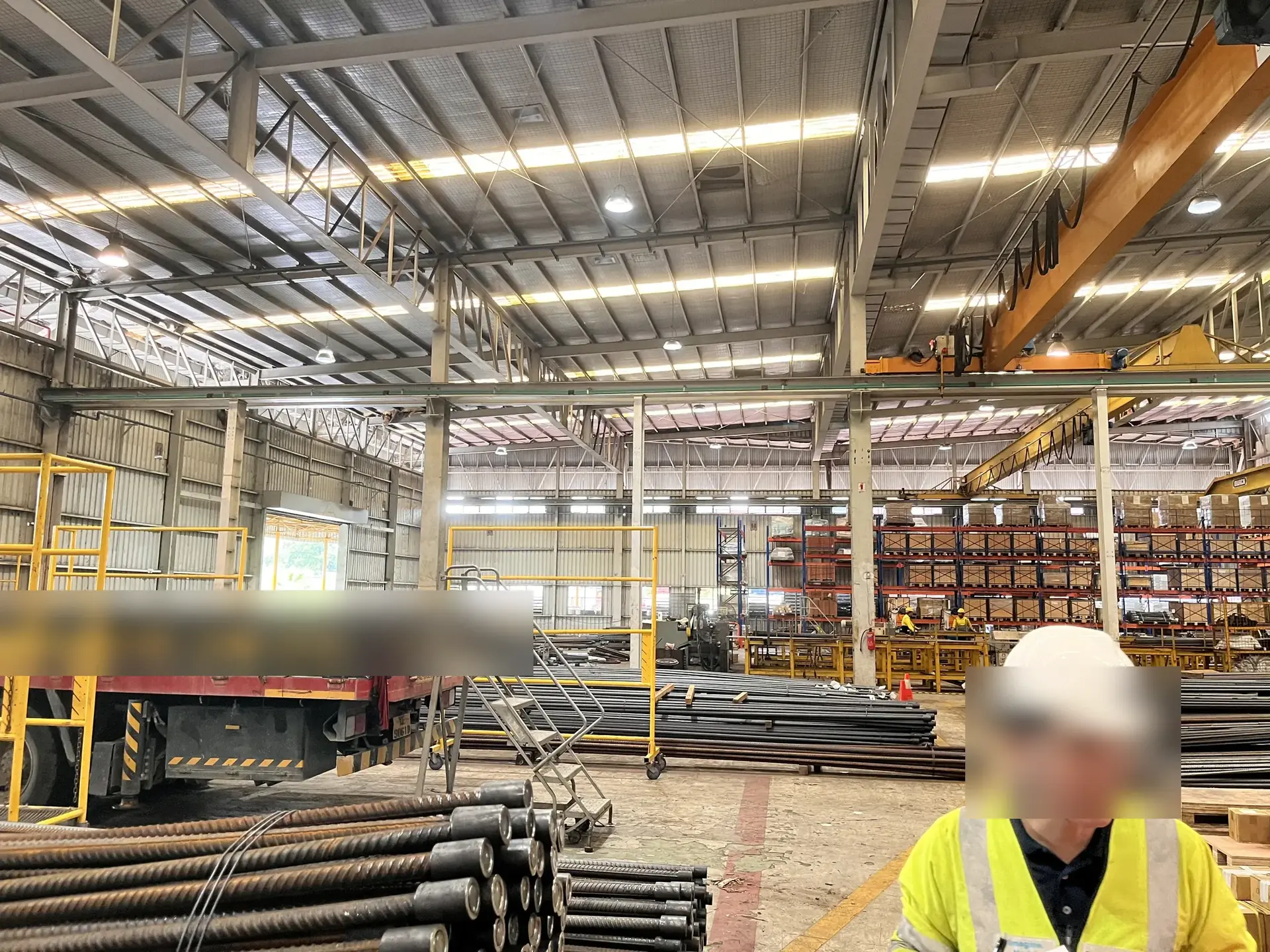
Machine zones, overhead cranes and indoor traffic, per line and per shift.
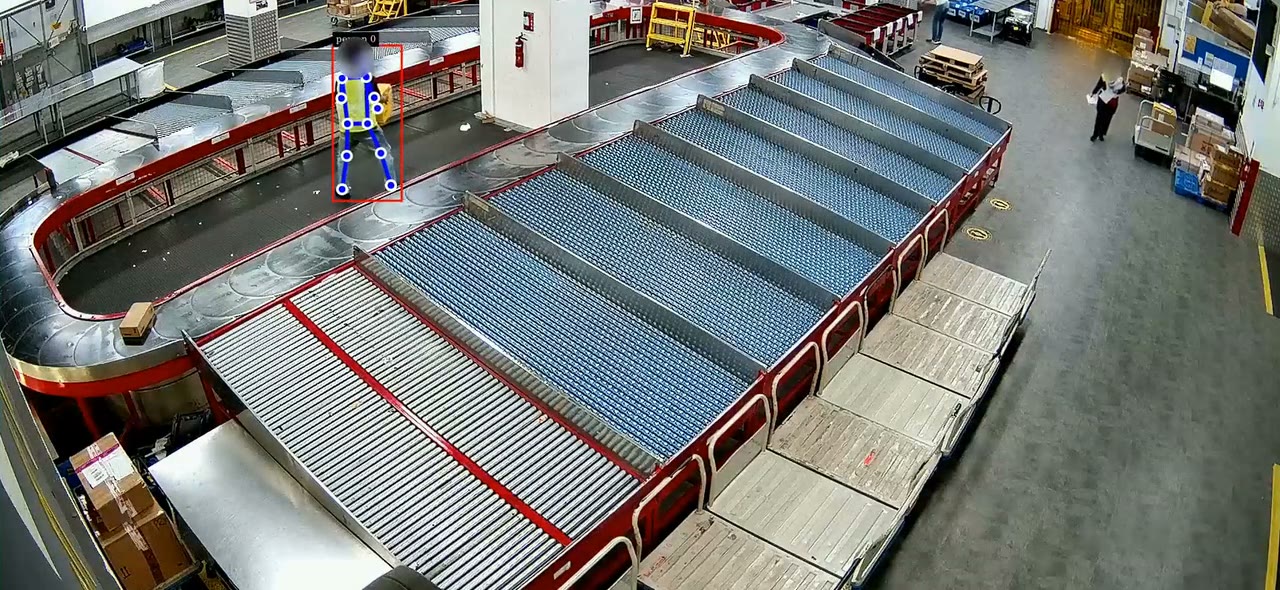
Forklifts, docks, conveyors and manual handling on the warehouse floor.
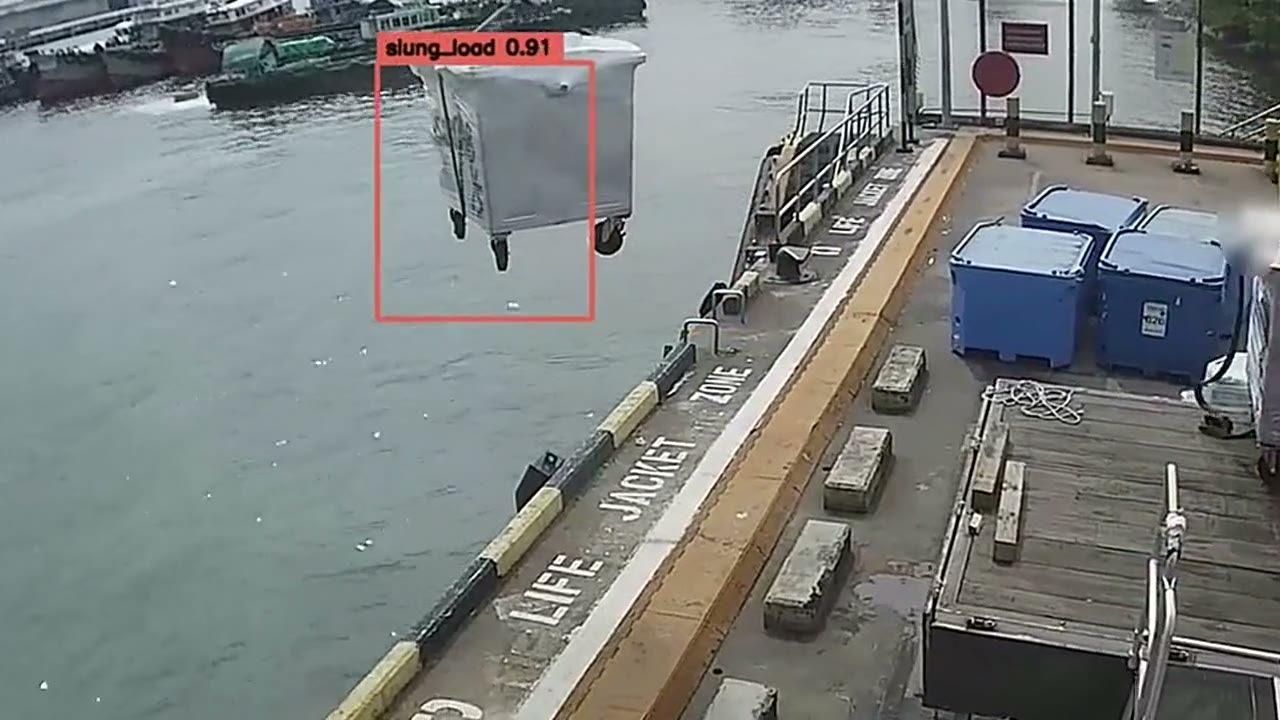
Lifting, line of fire and deck safety, with processing on board.
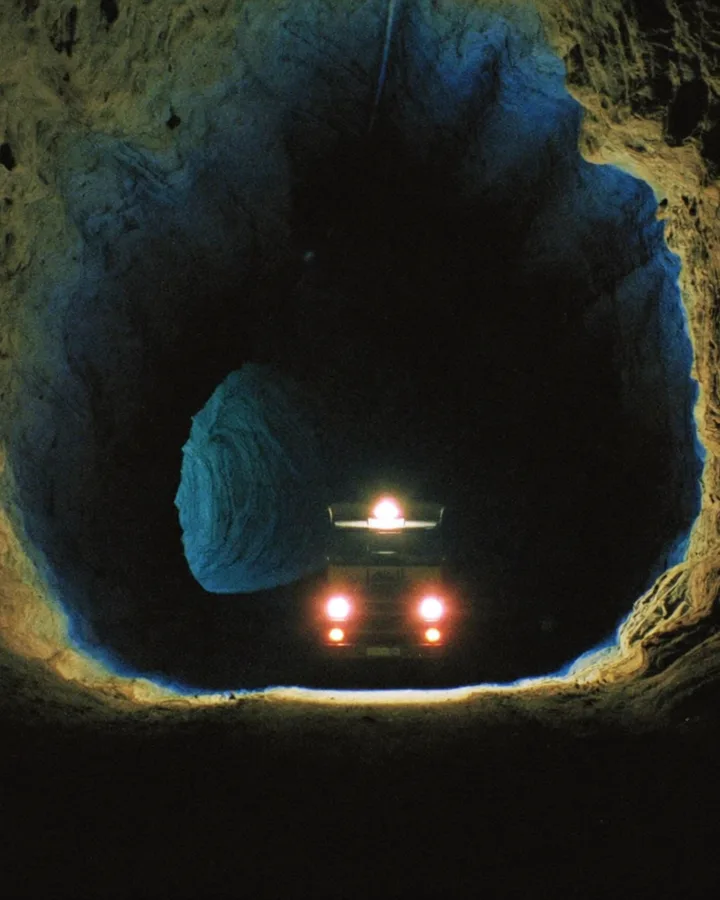
Haul roads, headings and plant, with people kept clear of machines.
Video can stay on a server in your site office. It is processed there, with only events sent out and retention you control.
Face recognition is off by default. It is an optional module that only you can switch on, and faces, bodies and backgrounds can be blurred per camera.
Detection keeps running offshore and on remote yards. A server on board or in the site office keeps alerts going when the network link drops.
Invigilo Technologies is ISO/IEC 27001:2022 certified. Certificate 721055, held by the company.
The security pack for your IT team covers the architecture, data flows and questionnaire answers.
Get the security packMOM video surveillance (VSS) in SingaporeSmart Site Safety System (4S) in Hong KongSafety Command Center specifications in Saudi Arabia
Find the five workers at risk across four camera feeds before the 45 seconds run out. A safety officer has every other camera on site to watch at the same time.
A drawn site, built for the browser. Invigilo watches for 40+ safety risk categories on the cameras you already run. See what it finds on your own footage
The game plays best on a larger screen. Here is the real thing: a worker at height, with the harness and hook checked by the camera.
Send two hours of recorded footage from two or three of your cameras. We send it back annotated and walk your safety team through it. Then one site goes live, with success measures agreed before go-live.
More than 40, configured per site: PPE, work at height and open edges, red zones around plant and machinery, people under suspended loads, forklift and vehicle interactions, housekeeping and slip or trip hazards, manual handling posture and time spent in restricted zones.
First alerts arrive within 48 hours of connecting your cameras. Zones and thresholds are then tuned with your safety team on site, so alerts match how each area actually works.
Yes. Alerts go to Teams, email and WhatsApp, and cases flow to your EHS system over API, with the frame, the location and the owner attached.
On a server in your site office or in the cloud, chosen site by site. With a site server, only events leave the site. The security pack sets out each deployment option, the data flows and the retention settings for your IT team.
Standard RTSP or ONVIF cameras work as they are, and the footage review shows results on your own cameras before any pilot.
Pricing depends on the number of sites and cameras. See how pricing works, or ask our team for a quote.
Tell us what you need and we come back with next steps.