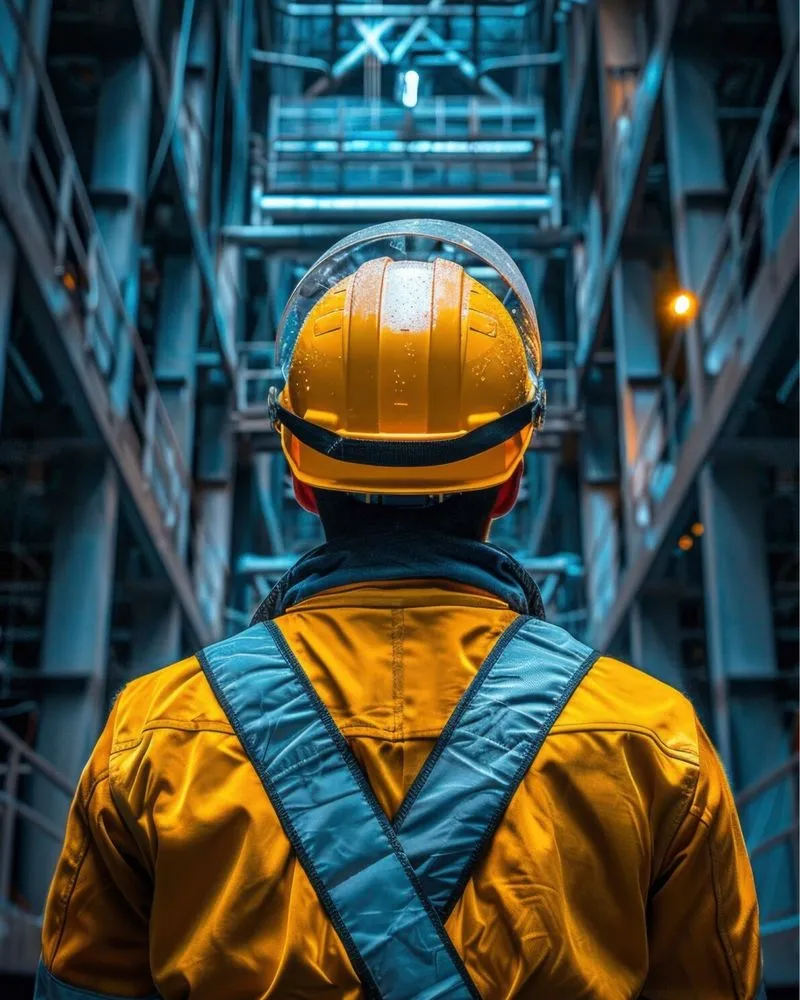
What Challenges And Considerations Are Involved In Implementing Video Analytics For Working At Heights Safety?
Video analytics boosts safety for working at heights, but success hinges on smart integration, privacy safeguards, and overcoming environmental challenges.

Working at heights is one of the most hazardous activities in the construction, maintenance, and utility services industries.
Implementing safety measures for such tasks is crucial, and video surveillance technology presents an effective solution. However, incorporating video analytics for "working at heights" safety isn't without its challenges and considerations. Let's delve into what these might be.
Understanding the Complexity of Heights
When working at heights, the tasks' complexity and the conditions' variability create unique challenges for video surveillance. Activities performed at height are diverse, ranging from construction work on scaffolding to maintenance tasks on power lines. Each of these tasks comes with its risks and requires specialized safety measures.
For video surveillance systems to effectively monitor such a wide range of activities, they must be adaptable and sophisticated. They must correctly identify risks associated with specific tasks and alert the relevant personnel in real-time. This requires robust algorithms to differentiate between various tasks and understand their safety protocols.

Overcoming Environmental Constraints
Another significant challenge in implementing video surveillance for working at heights safety is overcoming environmental constraints. Outdoor tasks at height are often subject to variable lighting conditions, inclement weather, and other environmental factors. These can potentially hinder the effectiveness of video surveillance.
For example, poor light conditions may reduce camera visibility, while rain or snow can distort the video feed. Consequently, video analytics systems must-have features like night vision, infrared sensors, and weather-resistant hardware. Additionally, algorithms must be designed to account for environmental variables and accurately detect safety hazards.
Privacy and Data Security Considerations
While video surveillance can significantly enhance safety when working at heights, it raises privacy and data security issues. Cameras placed across a worksite will inevitably capture employees in their daily tasks, which can lead to concerns about privacy infringement.
Further, the collected video data must be stored and processed securely to prevent unauthorized access or data breaches. Implementing robust encryption methods, secure data storage solutions, and stringent access controls is vital to address these concerns.
Integration with Existing Safety Protocols
The integration of video surveillance into existing safety protocols is another important consideration. Video analytics should augment, not replace, traditional safety measures. The technology must be implemented to complement safety practices like proper training, use of safety gear, and adherence to safety guidelines.
For example, while video surveillance can alert site managers about a worker not wearing a harness while working at height, it should complement comprehensive training programs that educate workers about the importance and proper use of safety gear.

Navigating Cost Implications
The cost of implementing sophisticated video surveillance systems is another significant consideration. While the long-term benefits of improved safety and potential reduction in accident-related expenses are apparent, the initial investment can be substantial.
Costs include the hardware, installation, maintenance, software upgrades, and the potential need for staff training.
Addressing Technological Learning Curve
The technological learning curve is another hurdle to consider when implementing video surveillance for working at heights safely.
Understanding how to operate the surveillance system, interpret its findings, and take appropriate action based on these insights takes time and effort. It requires training and time, which can initially slow down the workflow.
Employees ranging from site managers to safety personnel must be well-versed with the new technology. They must understand how to respond to various alerts and use video data to enhance on-site safety. Offering comprehensive training and support during the transition phase is crucial to ensure that the video surveillance system is used effectively.
In the longer term, the benefits of incorporating such technology will far outweigh these initial challenges. It can enhance safety for those working at heights and allow employees at all levels to upskill and adapt to an increasingly digital work environment.
Conclusion: Weighing the Pros and Cons
Implementing video analytics for "working at heights" safety presents numerous benefits but also brings several challenges and considerations. Understanding task complexity, overcoming environmental constraints, addressing privacy and data security concerns, integrating with existing safety protocols, and navigating cost implications are all part of the process.
As we continue advancing video surveillance technology and tailoring it to the unique needs of "working at heights" safety, we inch closer to a future where high-risk tasks can be performed with more excellent security and assurance.
Related posts
Underground Changes Every Safety Rule You Know
Singapore's Cross Island Line runs 70m below ground. Underground construction inverts work at height, plant proximity and lone worker risk. Here is how.

Why Australian Industrial Sites Stopped Buying CCTV AI
Australian HSE leaders aren't buying video analytics anymore. They're buying safety intelligence. Here's what the shift means for WHS in 2026.

What to Demand from AI Video Analytics on an Oil and Gas Site in Saudi Arabia
AI safety platforms built for general workplaces are being sold into Saudi oil and gas operations. Here are the 8 questions that reveal the difference.